
Kenya Kariani AA Washed
FLAVOR: Grapefruit, Blood Orange, Black Honey
Origin: Kenya
Region: Kirinyaga
Producer: MWIRUA Cooperative
Washing Station: Kariaini Coffee Factory
Altitude: 1,600m
Variety: SL34, SL28, Batian, Ruiru 11
Process: Washed
[Recipe/Pairing]
Drip (for 1 cup): 14g powder, 250g hot water
Featuring the juicy acidity of grapefruit and blood orange and the sweetness of black honey, this coffee pairs perfectly with citrus desserts, fruit salads, and rich sweets like cheesecake.
[Production background]
This coffee is characterized by its distinct Kenyan citrus acidity and sweetness. When hot, it has a refreshing acidity like grapefruit, but when it cools, the sweetness becomes more pronounced and it transforms into a juicy acidity like blood orange.
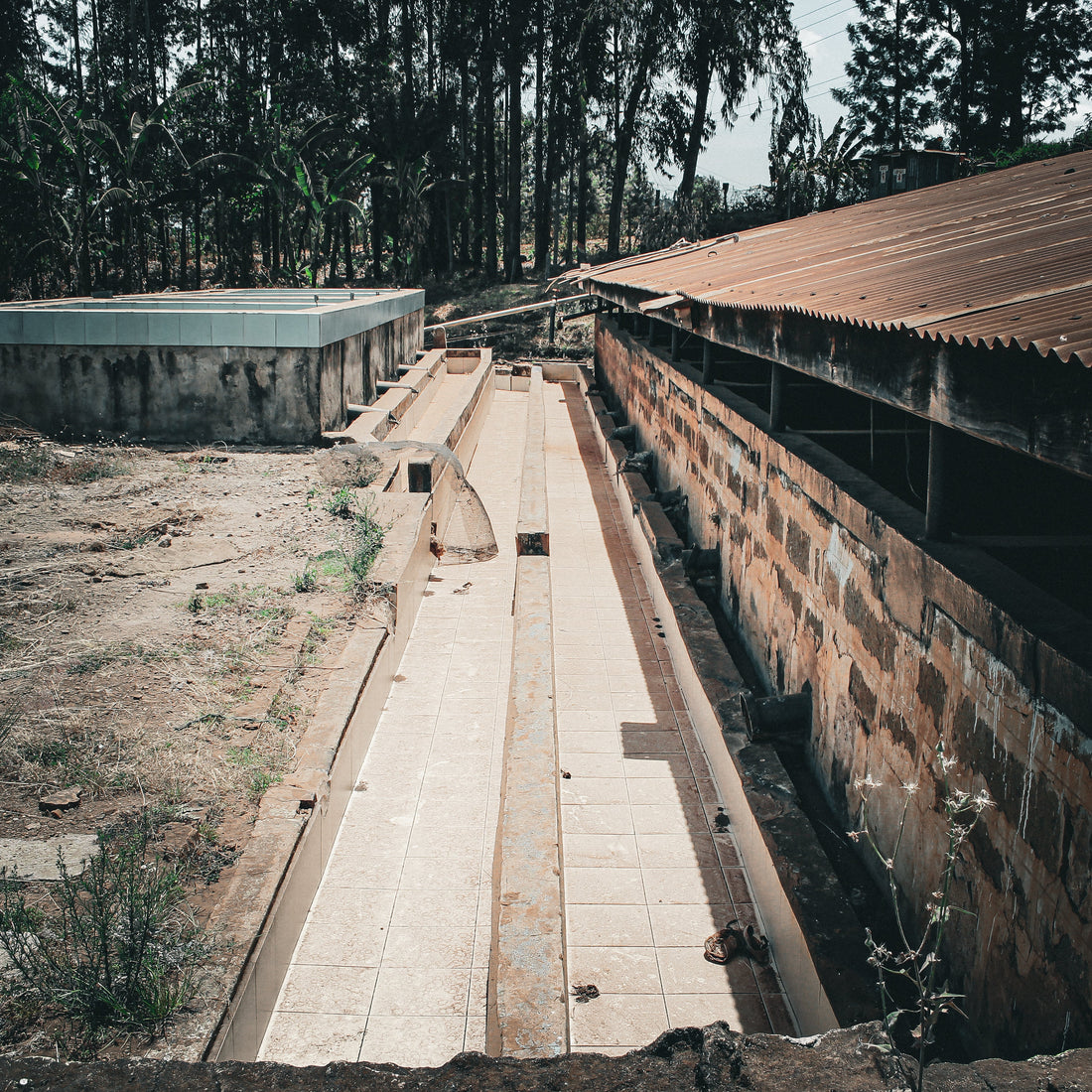
The Kariaini Factory, currently one of the coffee refineries under the Muirua Agricultural Cooperative, was established in Kirinyaga in 1954. Local producers planted coffee seeds in 1952, and in 1954, the first harvest year, the Muirua Agricultural Cooperative and the Kariaini Factory were established. At the time, it was the only refinery under the colony and a pioneering pioneer. Located at an altitude of 1,600 meters, the region is characterized by red volcanic ash soil, temperatures ranging from 13 to 26 degrees Celsius, and annual rainfall of 1,100 mm, making it ideal for coffee production. Water from the Rundu River is used for the washing process at the factory. Cherries harvested by surrounding farmers are brought to the factory the same day and peeled in a disc pulper within 24 hours. Fermentation and washing take place for 18 to 48 hours, after which the fruit is sun-dried on African beds for 5 to 30 days, depending on the weather.
[ The relationship between the country's economy and the coffee industry
Agriculture is at the heart of Kenya's economy, with coffee being one of its most important exports. Coffee grown in highlands like Kirinyaga, in particular, is a major source of specialty coffee that is highly acclaimed worldwide, and is a pillar of Kenya's economy. The coffee industry provides employment for many farmers and supports local communities.
[ Politics and its impact on the coffee industry
The Kenyan government is promoting the development of the coffee industry, focusing particularly on supporting small-scale farmers. Policies are being implemented to improve quality control and the livelihoods of producers through agricultural cooperatives, and the coffee industry is becoming more modern. However, Kenya is a region that requires political stability, and the impact of agricultural policies can be directly reflected in coffee production volumes and prices.